Fuse Board Upgrade Cost for Folkestone Properties
Anyone asking about fuse board upgrade cost in Folkestone is usually reacting to one of two things: an EICR that flagged the existing board as outdated, or a fuse that keeps tripping and an electrician has said the board itself is the problem, not the appliance. Either way, this guide sets out what you will actually pay, when an upgrade is genuinely necessary, and what the work involves so there are no surprises on the day.
Why Fuse Boards Need Upgrading
The term fuse board is a bit dated now, since almost no home still has literal rewireable fuses with fuse wire, though a surprising number of older Folkestone properties still do, particularly in parts of the town that have not been rewired since the 1970s or 80s. What most people have, or should have, is a consumer unit fitted with circuit breakers and RCDs (residual current devices) or RCBOs (residual current breakers with overload protection). The reasons to upgrade an old board include:
- Lack of RCD protection, which is what actually saves lives by cutting power in a fraction of a second if there is an earth fault, such as a damaged cable or someone touching a live wire
- Physical deterioration, including scorch marks, a burning smell, or a board that is warm to the touch
- Insufficient capacity for modern demand, since a house built in the 1970s was never designed around an electric shower, an EV charger and a home office all running at once
- An EICR report coding the existing board as C2 or C3, which is one of the most common findings across older housing stock in Kent
Fuse Board Upgrade Cost for Folkestone Properties
Price depends on the number of circuits in the property and the type of consumer unit fitted. A dual RCD board is the minimum modern standard, while a full RCBO board offers a breaker per circuit, so a single fault only knocks out one circuit rather than half the house.
| Consumer unit type | Circuits covered | Typical cost including labour | Typical time on site |
|---|---|---|---|
| Basic dual RCD board, small flat | up to 8 | £400 to £500 | half a day |
| Dual RCD board, average house | 8 to 12 | £450 to £600 | half a day to a full day |
| Full RCBO board, average house | 8 to 12 | £600 to £850 | one full day |
| Full RCBO board, larger house | 12 to 18 | £750 to £1,100 | one to two days |
| Additional work, e.g. new earth rod or bonding | n/a | £80 to £200 | adds a few hours |
Most electricians in Folkestone and Hythe will quote a fixed price for a standard consumer unit replacement rather than charging by the hour, since the job is well defined once they have counted the circuits. Always ask whether the quote includes the certificate for the work, since a consumer unit replacement is notifiable under Part P of the Building Regulations and must be certified either through a competent person scheme or via building control.
Old rewireable fuse boards vs modern consumer units
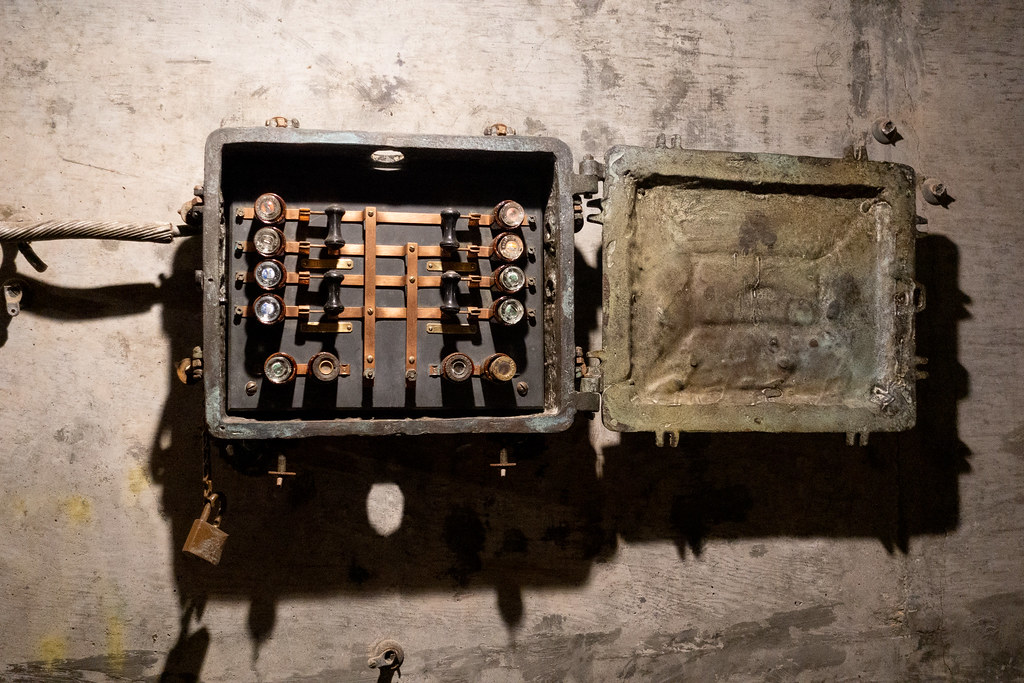
If your home still has a wooden backed fuse board with actual fuse wire, or an early plastic board with no RCD protection at all, an upgrade is not really optional in any meaningful sense. These boards predate modern safety standards by decades and are one of the most common C2 findings on an EICR. Signs you have one include a board with small ceramic or ribbed cartridge fuses rather than switches, or a distinctly retro appearance with a metal front cover rather than a modern plastic enclosure with labelled breaker switches.
RCBOs vs RCDs
A dual RCD board splits your circuits into two groups, each protected by one RCD. If a fault occurs on any circuit in that group, the whole group trips, which can mean half your house losing power, including the fridge freezer, at 2am because of a single faulty lamp. A full RCBO board gives every circuit its own dedicated breaker with RCD protection built in, so only the faulty circuit trips. RCBO boards cost more upfront, typically £150 to £250 more than an equivalent dual RCD board, but many homeowners find the convenience worth it, especially if the property has a freezer, alarm system or fish tank that really should not lose power unexpectedly.
Signs Your Fuse Board Needs Replacing
Beyond an EICR flagging it, look out for:
- Fuses or breakers that trip repeatedly for no obvious reason
- A burning smell near the board, or visible scorch marks around any switch
- A board that feels warm, buzzes, or crackles when you are near it
- Rewireable fuses where you have had to replace fuse wire yourself, which is now genuinely unusual and a sign of a very old installation
- No labels on the switches, or labels that clearly do not match the circuits any more after past renovation work
If you notice any of these, it is worth getting an electrician out promptly rather than waiting for a scheduled EICR, since a hot or buzzing board can be an active fire risk rather than just an inconvenience.
The Upgrade Process and Timeframe
A standard domestic consumer unit replacement takes one working day for most three or four bedroom houses, sometimes half a day for a small flat with fewer circuits. The electrician will isolate the supply, remove the old unit, fit the new enclosure, reconnect each circuit, and test everything before restoring power. Larger properties or those needing extra work, such as a new earth rod because the existing earthing arrangement does not meet current standards, can take a full two days.
Will you lose power during the work
Yes, for most of the day the property will have no electricity, since the whole board has to be disconnected to work on it safely. A competent electrician will usually try to restore power to at least some circuits by the end of the day even if final testing continues into a second visit, but plan around having no power for cooking, heating (if electric) or hot water (if it relies on an immersion heater) for that period. If you have someone in the household who relies on medical equipment or a stairlift, flag this to your electrician in advance so they can plan around it or suggest a temporary supply.
Do you need building control or Part P notification
Yes. Replacing a consumer unit is notifiable work under Part P of the Building Regulations in England. If your electrician is registered with NICEIC, NAPIT or a similar competent person scheme, they self certify the work and register it with your local authority on your behalf, usually for a small fee already included in their quote. If you use someone who is not registered, you would need to notify Folkestone and Hythe District Council building control directly and pay a separate inspection fee, which is almost always more expensive and slower than just using a registered electrician in the first place.
Fuse Boards and Landlord Compliance
For landlords, an outdated consumer unit is one of the most common reasons an EICR comes back unsatisfactory, and it is treated as a C2 finding requiring remedial action, typically within 28 days. If you manage rental property in Folkestone, Hythe or anywhere across east Kent, it is often more cost effective to upgrade the board proactively ahead of a scheduled EICR rather than waiting for it to be flagged and then scrambling to arrange work within a short compliance window. See our full guide to EICR safety certificate cost for Kent landlords for how this fits into your five year inspection cycle.
Fuse Boards and EV Chargers
If you are planning to add an EV charger, your installer will check whether your existing consumer unit has spare capacity and modern RCBO protection for the new circuit. Many older boards simply do not have room for another breaker, or lack the protection an EV circuit requires, which means the board upgrade and the charger installation often get quoted and carried out together. Our guide to EV charger installation cost for Folkestone homes covers how these two jobs interact and what it costs to have them done at the same time, which is usually cheaper than two separate call outs.
FAQ
How much does a fuse board upgrade cost in Folkestone?
Most average three or four bedroom houses pay between £450 and £850 depending on whether a dual RCD or full RCBO board is fitted, including labour, materials and the Part P certificate.
How long does a consumer unit replacement take?
Typically one working day for an average house, sometimes half a day for a small flat with few circuits, or up to two days for larger properties needing additional earthing work.
Do I need a new fuse board if my EICR came back unsatisfactory?
Often yes, if the report codes the board itself as C2 or C3 for lacking RCD protection or being in poor condition. Not every unsatisfactory EICR requires a board replacement, but it is one of the most common remedial actions requested.
Can I upgrade my fuse board myself to save money?
No, this is not a DIY job. Consumer unit replacement is notifiable work under Part P of the Building Regulations and must be carried out and certified by a registered competent person, both for legal compliance and for your own safety and insurance validity.